As the colder months approach, it’s time to start thinking about how to prepare your garden for winter. Protecting your plants, maintaining your outdoor space, and putting a few preventative measures in place can make a huge difference when temperatures begin to drop. Let's break down some of the essential do's and don'ts of winter gardening, helping you keep your plants protected and give your garden the best possible chance of flourishing when spring returns.
The first step is understanding what your garden actually needs. Different plants have different requirements, so it's always worth doing a little research into the varieties you're growing and the type of protection they need during colder weather. You can do this by searching online, reading gardening books, speaking to a local gardening expert, or even using AI tools to help gather some ideas. However, always double-check the information you receive, particularly when it comes to looking after more delicate plants.
"Getting your garden ready for winter can feel like a big task, especially when you’re trying to protect plants from the cold. With a little preparation, though, you can make the season easier to manage and give your outdoor space a strong start when spring arrives. Here are some practical tips and tricks to help you get started."

Moving Plants Indoors or Using Greenhouses and Cold Frames
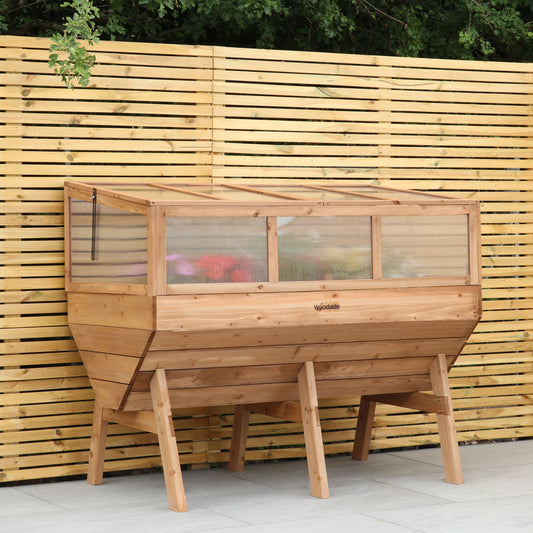
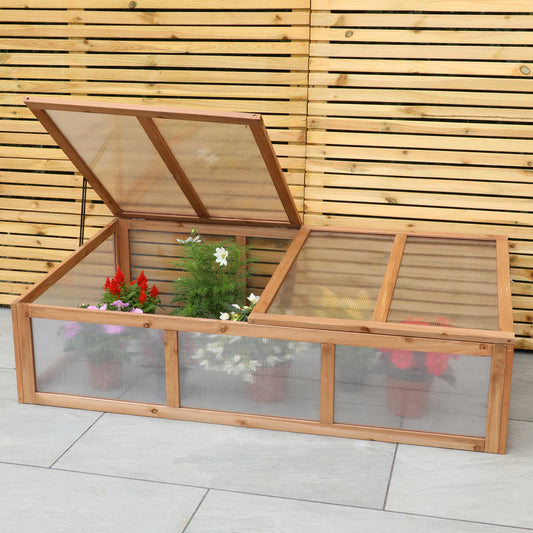
Another effective way to keep vulnerable plants safe during winter is to move them somewhere more sheltered. If you have suitable indoor space, bringing certain potted plants inside can provide additional protection from freezing temperatures and harsh weather. However, not every plant needs to come indoors, and some varieties actually benefit from experiencing natural seasonal changes. It's worth checking the individual requirements of your plants before moving them. If you don't have much room inside your home, or your plants are simply too large to move, greenhouses and cold frames can provide an excellent alternative.
Cold Frames are particularly useful for smaller gardens and growing spaces. They provide a sheltered environment for seedlings, vegetables and more delicate plants, helping to protect them from frost and cold winds. Greenhouses offer a larger protected growing area, allowing you to look after a wider variety of plants throughout the year. They can also provide somewhere to store potted plants and continue growing certain vegetables during the colder months.
There are plenty of different sizes and styles available, so choosing something that suits your garden, available space and planting needs is always a good starting point. The right protection in place, you can give your plants a much better chance of making it through winter and returning to full strength when the warmer weather arrives.


Protective Equipment
When looking at ways to protect your garden during winter, it's worth considering which options will make the biggest difference without breaking the bank. Thankfully, there are plenty of simple but effective solutions available.
One particularly useful option is a garden cloche. These protective covers sit over individual plants, helping to shield them from cold winds, frost and snowfall. They can also help create a slightly warmer environment around your plants, giving them an extra layer of protection when temperatures begin to fall.
Other useful options include protective plant covers, fleece wraps and garden tunnels. These can be particularly helpful for protecting delicate flowers, young plants and vegetables that may struggle with sudden drops in temperature. Some covers can also provide a physical barrier against animals that might otherwise nibble on your plants during the winter months.
Insulating Your Plants
Insulating your plants is another simple but effective way to help them survive the colder months. Some plants are naturally more resilient than others, but even hardy varieties can benefit from a little extra protection when temperatures become particularly harsh.
There are several ways to achieve this, depending on the size and type of plants you're looking after.
- Horticultural Fleece: A lightweight covering that helps protect plants from frost and cold winds while still allowing air and moisture to pass through.
- Straw and Mulch: Applying a layer around the base of plants can help insulate their roots and protect the surrounding soil from extreme temperature changes.
- Hoop Tunnels: These create a sheltered growing environment, making them particularly useful for protecting vegetables and smaller plants.
- Protective Plant Wraps: Useful for wrapping vulnerable shrubs and larger plants that need additional protection during winter.
- Garden Cloches: Ideal for covering individual plants and helping to protect them from frost and harsh weather.
It's important to remember that insulation isn't just about keeping plants warm. Protecting their roots and maintaining suitable soil conditions can be just as important when preparing your garden for winter.


Frost Protection and Common Winter Gardening Mistakes
One of the biggest challenges when winterising your garden is protecting plants from frost. As temperatures begin to drop, frost can damage leaves, stems, roots and even the soil surrounding vulnerable plants. Taking a few simple precautions before the coldest weather arrives can make a significant difference to how well your garden recovers when spring returns.
Protecting Your Garden from Frost
Not every plant will need the same level of protection, so it is important to understand which varieties are more vulnerable to cold weather. Tender plants, young seedlings and certain potted varieties are particularly susceptible to frost damage.
Here are a few ways to help protect your garden:
- Use horticultural fleece: Cover vulnerable plants with fleece to provide an extra layer of insulation against cold temperatures and frost. Ideally, keep the material from resting directly on delicate foliage where possible.
- Add mulch around plant bases: Applying a layer of bark, compost or straw around the base of suitable plants can help insulate their roots and protect the surrounding soil from extreme temperature changes.
- Raise pots off the ground: Standing plant pots on pot feet or suitable supports can improve drainage and help prevent them from sitting in freezing, waterlogged conditions.
- Move vulnerable containers: If possible, move less hardy potted plants into a sheltered position, greenhouse or frost-free area when particularly cold weather is forecast.
- Check the weather forecast: Keep an eye on overnight temperatures so you can prepare ahead of particularly cold spells rather than waiting until frost has already formed.
A Little Preparation Goes a Long Way
Winter gardening does not have to mean spending every weekend outside carrying out maintenance. By preparing your plants, protecting vulnerable areas and avoiding a few common mistakes, you can help your garden withstand the colder months with less effort. Remember, every garden is different. Some plants will need additional insulation, while others are perfectly suited to outdoor winter conditions. Taking the time to understand what your garden needs will help you maintain a healthier outdoor space and make the transition into spring much easier.